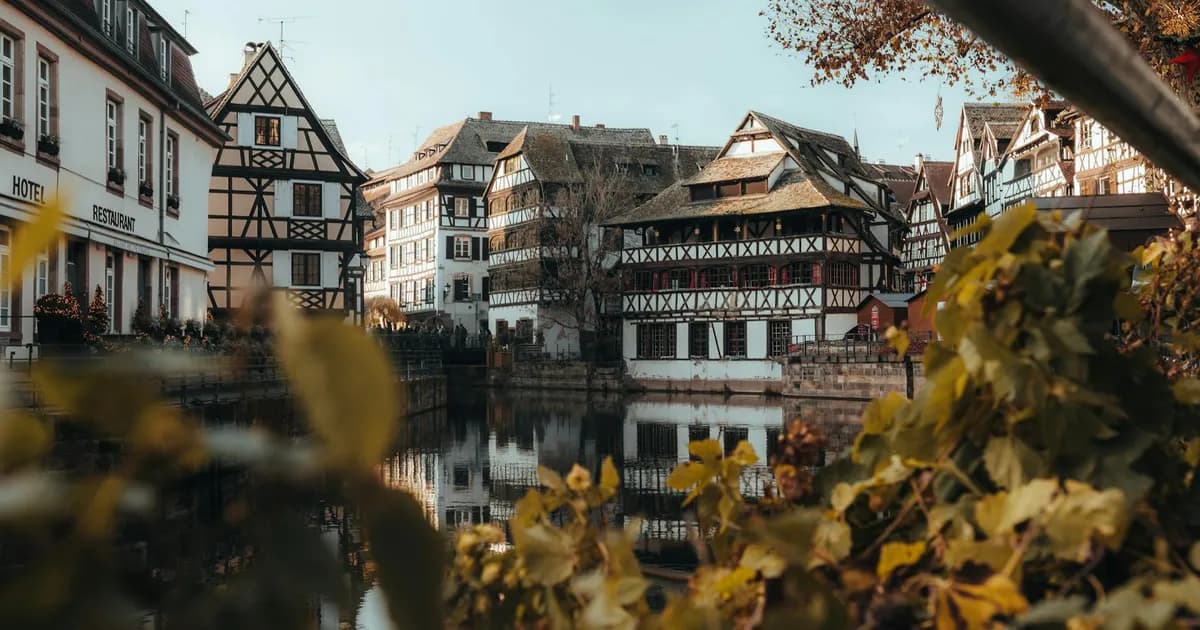
September in Europe: 11 Places You'll Have to Yourself
September is the secret weapon of European travel. Kids are back in school, cruise ships thin out, and you'll pay 30-40% less for the exact same hotel room that cost a fortune in July.
I've spent three Septembers bouncing around Europe, and I'm telling you—this is when the continent shows its best side. Warm enough for beaches, cool enough for cities, and empty enough that you can actually see the Sistine Chapel ceiling without someone's selfie stick in your face.
Here are the 11 best places to visit in Europe in September, ranked by how much better they are this month versus summer.
1. Scottish Highlands — Finally, No Midges
Best for: Hiking, whisky, dramatic landscapes without the bugs
September is the ONLY month I recommend Scotland without reservation. July and August? You'll be eaten alive by midges (tiny biting flies that make mosquitoes look friendly). September weather is still decent—around 12-15°C (54-59°F)—and those little bastards are mostly gone.
The heather is blooming purple across the moors. Tourist numbers drop by about 40% after the Edinburgh Fringe ends in late August. Hotel prices in the Highlands fall from £140/night to £90/night for the same room.
What to do:
- Hike the West Highland Way (or just the best sections near Glencoe)
- Tour whisky distillaries in Speyside—harvest season means you might catch malting in action
- Drive the North Coast 500 without fighting for parking at every viewpoint
- Catch the Isle of Skye before it gets properly cold
Weather reality check: It's Scotland. Pack rain gear. You'll get 4-5 hours of sun if you're lucky, but that moody mist is half the appeal.
> 💡 Pro tip: Book accommodation in Fort William or Inverness as your base. Both have solid WiFi for digital nomads, and you can day-trip to the dramatic stuff without staying in expensive remote lodges.
Daily budget: £75-90 (hostel/budget hotel, self-catering breakfast, pub dinner, one paid activity)
Gear for This Trip
The only daypack you need. Lightweight, durable, fits everything.
Packing cubes that changed how I travel. Essential for multi-city trips.
Best noise cancelling earbuds for flights and loud restaurants.
Hard shell, spinner wheels, fits every overhead bin. No checked bags.
As an Amazon Associate I earn from qualifying purchases.
2. Andalusia, Spain — Beach Weather Without the Hell
Best for: Architecture, food, actual warm swimming
While northern Europe cools down, southern Spain is hitting its sweet spot. Seville drops from "I'm going to die" hot (38°C in August) to "pleasant terrace weather" (28°C in September). The beaches in Costa de la Luz are still warm enough for swimming—water temp around 22°C—but the crowds have vanished This is when locals take their vacations, which means everything is open (unlike August when half of Spain shuts down), but tourist traps are empty.
What to do:
- Explore Seville's Real Alcázar without the 2-hour queue (wait time drops to 20 minutes)
- Hit the white villages (Ronda, Frigiliana) when walking uphill doesn't feel like torture
- Surf or swim in Tarifa—still warm, way less crowded
- Eat ALL the tapas—shoulder season means restaurants are trying harder for business
The Alhambra in Granada is gorgeous this month, but you still need to book tickets 3-4 weeks ahead. September doesn't fix that problem.
| Metric | August | September | Difference |
|---|---|---|---|
| Seville temp | 38°C | 28°C | -10°C |
| Average hotel (mid-range) | €140/night | €85/night | -39% |
| Wait time, major sites | 90+ min | 15-30 min | -70% |
| Beach crowd level | Sardine can | Comfortable | You'll actually find parking |
> 💡 Pro tip: Skip Barcelona (still packed with cruise ships) and focus on Andalusia. Granada, Córdoba, and Seville give you the Moorish architecture without the Barcelona prices and pickpockets.
Daily budget: €70-85 (budget hotel, menu del día lunches, tapas dinners, one museum)
3. Croatia — Post-Game of Thrones Sanity Returns
Best for: Sailing, island hopping, Adriatic coast
Croatia in July and August is a nightmare. Dubrovnik becomes a cruise ship toilet that empties 8,000 tourists into a medieval city built for 2,000. September? The ships thin out, prices drop 30-40%, and the Adriatic is still warm enough for swimming (23-24°C).
The best places to visit in Europe in September include Croatia's islands because the ferry schedules are still running full frequency (unlike October when they cut back), but the boats aren't packed.
What to do:
- Island hop: Hvar, Korčula, Vis—September means you can get last-minute accommodation
- Walk Dubrovnik's walls at 8am before cruise ships dock (they arrive around 9-10am)
- Sail the Dalmatian coast—charter prices drop and winds are calmer than summer
- Explore Plitvice Lakes without fighting for parking at 6am
Weather: 24-27°C, occasional rain but mostly sunny. Sea temp around 23°C—perfect.
> 💡 Pro tip: Stay in Split, not Dubrovnik. Split is cheaper, better connected, and just as beautiful. Day-trip to Dubrovnik if you must see it.
Daily budget: €65-80 (apartment with kitchen, supermarket + one restaurant meal, ferry/bus costs)
4. Portugal — Lisbon Without the Heatstroke
Best for: City breaks, wine, coastal vibes
Portugal in summer is HOT. Lisbon hits 32-35°C and those hills are brutal. September cools things to 25-28°C—warm enough for the beach, cool enough that walking around Alfama doesn't require three shower breaks.
Porto is even better in September. The Douro Valley wine harvest happens late September, and you can visit quintas (wine estates) during crush season. It's incredibly cool if you give a shit about wine.
What to do:
- Explore Lisbon's neighborhoods (Alfama, Bairro Alto) without melting
- Day trip to Sintra—the palaces are 5°C cooler than Best Places To Visit In Europe In September and way less crowded
- Surf in Ericeira or chill on Algarve beaches (still 23°C water)
- Eat seafood—September is prime season for percebes (gooseneck barnacles) if you're adventurous
The Oceanário de Lisboa is worth it if you're into aquariums—one of Europe's best, and September means no school groups clogging the exhibits.
| City | August hotel avg | September hotel avg | Crowd level |
|---|---|---|---|
| Lisbon | €135/night | €90/night | -35% tourists |
| Porto | €110/night | €75/night | -40% tourists |
| Lagos (Algarve) | €150/night | €85/night | -45% tourists |
> 💡 Pro tip: Use Lisbon's yellow trams for photos, but take the metro for actual transportation. Tram 28 is still a tourist trap even in September Daily budget: €60-75 (hostel or budget hotel, mix of supermarket and cheap restaurants, public transport)
5. The Dolomites, Italy — Hiking Season Peak
Best for: Hiking, via ferratas, mountain scenery
September is THE month for the Dolomites. Weather is stable (less afternoon thunderstorms than July/August), rifugios (mountain huts) are still open, and the hiking trails aren't clogged with tour groups.
The larch trees start turning golden-yellow in late September, which makes the already-dramatic scenery look like a goddamn fantasy novel.
What to do:
- Hike the Tre Cime di Lavaredo loop (2-3 hours, moderately easy, absolutely gorgeous)
- Try a via ferrata if you're comfortable with heights—Lagazuoi is perfect for beginners
- Drive the mountain passes before they close for winter (Stelvio Pass closes late October)
- Eat ridiculous amounts of speck and canederli (bread dumplings) in mountain huts
Weather: 12-18°C at altitude, sunny mornings, possible afternoon clouds. Pack layers.
> 💡 Pro tip: Base yourself in Cortina d'Ampezzo or Ortisei. Both have solid bus connections to trailheads, and you can skip renting a car if you time the buses right (check sudtirolmobil.info for schedules).
Daily budget: €80-100 (mountain hut or budget hotel, packed lunch, one rifugio meal, cable car tickets)
6. Greek Islands — Your Last Swimming Chance
Best for: Beaches, archaeology, island vibes without Instagrammers
The Greek Islands in September are what everyone thinks they're getting in July—but without the chaos. Water temp is still 24-25°C, ferries are running full schedules, and hotel prices drop 40-50% after mid-September The best places to visit in Europe in September include smaller Greek islands (Naxos, Paros, Milos) because they empty out faster than Santorini and Mykonos, which stay busy until October.
What to do:
- Island hop the Cyclades—Naxos for beaches, Paros for villages, Milos for lunar landscapes
- Crete is perfect in September—Samaria Gorge hike is cooler, beaches are empty, Knossos is manageable
- Eat seafood at beach tavernas before they close for the season
- Wander ancient sites (Delos, Akrotiri) without the tour groups
Skip Santorini unless you're obsessed with sunset photos. It's still crowded and overpriced in September—just less insane than summer
| Island | August hotel avg | September hotel avg | Vibe |
|---|---|---|---|
| Santorini | €180/night | €110/night | Still touristy, but bearable |
| Naxos | €90/night | €55/night | Chill, local feel returns |
| Milos | €120/night | €70/night | Perfect—empty beaches |
| Crete (Chania) | €95/night | €60/night | Best value, lots open |
> 💡 Pro tip: Fly into Athens, take a ferry to the islands. Skip the expensive island-hopping flights. Ferries are cheap, reliable, and you can buy tickets last-minute in September (unlike summer when they sell out) Daily budget: €55-70 (budget hotel or Airbnb, gyros and taverna meals, ferry costs, beach days)
7. The French Alps — Shoulder Season Silence
Best for: Hiking, mountain biking, alpine villages
September is the "dead zone" in the French Alps—ski season is months away, summer tourists have left, and you get the mountains to yourself. Towns like Chamonix and Annecy are gloriously quiet This is when I actually LIKE Chamonix. In July it's a zoo. In September, you can get a table at a restaurant without a reservation, and the Mont Blanc views aren't obscured by cable car lines.
What to do:
- Hike the Tour du Mont Blanc (or sections of it) without booking refuges 6 months ahead
- Mountain bike in Morzine or Les Gets—lifts are still running on weekends
- Explore Annecy—the lake is still swimmable (barely, at 19°C), town is peaceful
- Take the Aiguille du Midi cable car up to 3,842m for glacier views—no wait
Weather: 10-15°C in the valleys, colder at altitude. Pack for four seasons in one day.
> 💡 Pro tip: Stay in Annecy, not Chamonix. It's cheaper, prettier, and a better base for digital nomads (better WiFi, more coworking options, less transient vibe).
Daily budget: €75-95 (budget hotel or hostel, self-catering breakfast, mountain refuge lunch, town dinner)
8. Slovenia — Europe's Best-Kept Secret, Quieter
Best for: Outdoor activities, lakes, affordable luxury
Slovenia is stupid beautiful and criminally underrated. Lake Bled is the postcard shot everyone knows, but September is when you should visit—the lake is still warm enough for swimming (20°C), hotels drop prices 30%, and you can rent a boat without a 2-hour wait.
The best places to visit in Europe in September include Slovenia because the weather is perfect for hiking, caving, and rafting, but the summer crowds are gone.
What to do:
- Swim in Lake Bled, hike up to Bled Castle, kayak to the island church
- Explore Postojna Cave and Predjama Castle (a castle built into a cliff)—both are way better without tour buses
- Raft or kayak the Soča River—still warm enough, beautiful emerald water
- Day trip from Ljubljana to Lake Bohinj (less touristy than Bled, more dramatic)
Ljubljana is one of Europe's most underrated capitals. Small, walkable, great food scene, and actually affordable.
| Activity | Cost | Time needed | Worth it? |
|---|---|---|---|
| Bled Castle entry | €16 | 1-2 hours | ★★★★☆ (views are great, museum is meh) |
| Postojna Cave tour | €28 | 1.5 hours | ★★★★★ (incredible, go early to avoid groups) |
| Vintgar Gorge entry | €10 | 2-3 hours | ★★★★★ (gorgeous boardwalk hike) |
| Lake Bled boat rental | €20/hour | Flexible | ★★★★☆ (romantic, but pricey) |
> 💡 Pro tip: Stay in Ljubljana and day-trip to Bled. Hotels in Bled are overpriced even in September. Ljubljana has better food, nightlife, and WiFi for working remotely.
Daily budget: €55-70 (hostel or budget hotel, supermarket breakfast, restaurant lunch, casual dinner)
9. Bavaria, Germany — Oktoberfest and Alps
Best for: Beer, mountains, medieval towns
Yeah, Oktoberfest runs mid-September to early October, so Munich is BUSY. But the rest of Bavaria? Empty and gorgeous. The Alps are gorgeous, the lakes are still swimmable, and you get that perfect fall weather—15-20°C, crisp mornings, sunny afternoons.
If you time it right, you can hit Oktoberfest for a day (book accommodation months ahead or stay outside Munich), then escape to the Bavarian Alps for peace and quiet.
What to do:
- Hit Oktoberfest if you're into beer and crowds (it's chaotic but fun)—get there by 9am for a table
- Explore Garmisch-Partenkirchen and hike in the Alps (Partnach Gorge is gorgeous)
- Visit Neuschwanstein Castle—still crowded, but less insane than summer
- Swim in Königssee or Eibsee before they get too cold
Weather: 15-20°C, occasional rain. Pack layers and a rain jacket.
> 💡 Pro tip: Skip the Neuschwanstein interior tour (it's underwhelming). Hike to Marienbrücke viewpoint for the famous photo, then spend your time hiking around the lakes instead.
Daily budget: €75-95 (hostel or budget hotel, beer and pretzels at Oktoberfest, Alpine hut lunch, supermarket dinners)
10. Budapest, Hungary — Fall Beauty, Thermal Baths
Best for: Architecture, thermal baths, affordable luxury
Budapest is one of the best places to visit in Europe in September because the weather is perfect for walking—18-23°C—but cool enough that soaking in thermal baths feels amazing instead of insane (who wants hot water in 30°C heat?).
Best Places To Visit In Europe In September is gorgeous in early fall. The Danube reflects the Parliament building, outdoor ruin bars are still open, and hotel prices are dirt cheap—€50-70/night for solid mid-range places What to do:
- Soak in Széchenyi Thermal Baths (go at sunset, it's magical)
- Walk both sides of the Danube—Buda for views, Pest for food and nightlife
- Explore the Jewish Quarter—ruin bars, synagogues, street art
- Day trip to Eger for wine (Egri Bikavér, "Bull's Blood") or Szentendre for art galleries
Weather: 18-23°C, occasional rain but mostly sunny. Perfect city weather.
> 💡 Pro tip: Eat at cheap "vendéglő" (local diners) instead of tourist restaurants near the Castle. You'll pay €5-7 for goulash and dumplings instead of €15 for the same thing.
Daily budget: €45-60 (budget hotel, street food and local diners, public transport, thermal bath entry)
11. Iceland — Cheaper, Northern Lights Return
Best for: Landscapes, Northern Lights, dramatic weather
Iceland in September is a gamble. Weather is unpredictable—you might get sun, you might get horizontal rain. But hotel prices drop 40% after summer ends, rental cars get cheaper, and the Northern Lights start appearing again (summer is too bright to see them).
The best places to visit in Europe in September include Iceland if you're flexible and don't mind weather chaos. You'll save a ton of money, and you might catch the aurora if you're lucky.
What to do:
- Drive the Golden Circle (Þingvellir, Geysir, Gullfoss)—still accessible, way less crowded
- Soak in hot springs (Blue Lagoon is overpriced; go to Mývatn Nature Baths instead)
- Chase Northern Lights—September has dark enough nights, but weather can block views
- Hike around Reykjanes Peninsula or South Coast (Seljalandsfoss, Skógafoss waterfalls)
Weather: 8-12°C, wind, rain, occasional sun. Pack serious waterproofs and layers.
> 💡 Pro tip: Rent a campervan instead of hotels. September is borderline for camping (cold at night), but you'll save €100+/night and have flexibility to chase clear skies for Northern Lights
| Cost item | Summer (July) | September | Savings |
|---|---|---|---|
| Rental car (economy, per day) | €95 | €55 | -42% |
| Mid-range hotel (Reykjavik) | €180/night | €110/night | -39% |
| Gas (per liter) | Same | Same | — |
| Blue Lagoon entry | €90 | €90 | Overpriced year-round |
Daily budget: €85-110 (hostel or campervan, supermarket meals, gas, one paid activity)
What to Pack for Europe in September
For best places to visit in europe in september, september weather is unpredictable. You'll get sun, rain, and everything in between. Pack layers, not bulk.
Essentials:
- Rain jacket (waterproof, not water-resistant)—I swear by my Patagonia Torrentshell
- Layers: T-shirts, long sleeves, fleece or light down jacket
- Comfortable walking shoes (waterproof if hiking)—Merrell Moabs are digital nomad favorites
- Daypack (20-30L) for day trips—check options here
- Travel adapter (Europe uses Type C/F plugs)
- Portable charger—long days = dead phones
Optional but smart:
- Microfiber towel if you're hosteling or camping
- Reusable water bottle—save money, reduce waste
- Small umbrella (compact, travel-specific)
> 💡 Pro tip: Pack one nice outfit for dinners. Europe does casual better than the US, but you'll feel out of place in hiking gear at a decent restaurant
Daily Budget Breakdown by Destination
For best places to visit in europe in september, here's what you'll actually spend per day in each place, assuming mid-range travel (not hostels, not luxury).
| Destination | Accommodation | Food | Transport | Activities | Total/day |
|---|---|---|---|---|---|
| Scottish Highlands | £60 | £20 | £5 | £10 | £95 |
| Andalusia, Spain | €55 | €25 | €5 | €10 | €95 |
| Croatia | €45 | €20 | €10 | €10 | €85 |
| Portugal | €50 | €20 | €5 | €10 | €85 |
| Dolomites, Italy | €60 | €25 | €10 | €15 | €110 |
| Greek Islands | €40 | €20 | €5 | €5 | €70 |
| French Alps | €55 | €25 | €5 | €15 | €100 |
| Slovenia | €40 | €20 | €5 | €10 | €75 |
| Bavaria, Germany | €60 | €25 | €5 | €15 | €105 |
| Budapest, Hungary | €40 | €15 | €3 | €7 | €65 |
| Iceland | €70 | €30 | €20 | €10 | €130 |
How to Find Cheap Flights to Europe in September
For best places to visit in europe in september, september is shoulder season, which means flight prices drop after the summer peak. If you're flexible, you can score deals.
Strategy:
- Fly mid-week (Tuesday/Wednesday departures are cheapest)
- Use Google Flights to track prices and set alerts
- Consider budget airlines within Europe (Ryanair, EasyJet, Wizz Air)—just watch the baggage fees
- Book 6-8 weeks ahead for best prices
- Fly into cheaper hubs (Barcelona, Lisbon, Athens) and connect overland
From the US East Coast, expect $450-650 roundtrip to major European cities in September. From the West Coast, add $100-200.
> 💡 Pro tip: If you're planning a longer trip, consider booking a multi-city ticket (fly into one city, out of another). It's often the same price as roundtrip and saves backtracking.
Sample 2-Week September Europe Itinerary
Week 1:
- Days 1-3: Lisbon (city, Sintra day trip)
- Days 4-5: Andalusia (Seville or Granada)
- Days 6-7: Barcelona (if you must, or swap for more Andalusia time)
Week 2:
- Days 8-10: Greek Islands (fly Athens → Naxos or Crete)
- Days 11-12: Slovenia (Ljubljana + Lake Bled)
- Days 13-14: Budapest (thermal baths, ruin bars, fly home)
Budget: €1,400-1,800 (flights, accommodation, food, activities for 14 days)
This route keeps you in southern/southeastern Europe where weather is warmest, and uses budget flights between regions (Lisbon → Athens, Athens → Ljubljana, etc.).
Planning More Travel?
For best places to visit in europe in september, if you're adding stopover time on your way to or from Europe, check out our sister sites:
- TravelplanJP.com — Stopover in Japan? Full guides for Tokyo, Kyoto, and beyond
- TravelplanKorea.com — Korea stopover tips and city guides
- TravelplanUS.com — Back to our main US travel guide
FAQ
Q. Is September a good time to visit Europe?
For september in europe: 11 places you'll have to yourself, for best places to visit in europe in september, hell yes. September is one of the best months to visit Europe—weather is still warm (especially in the south), summer crowds have thinned out, and prices drop 30-40% for accommodation. You get the benefits of summer without the chaos. The best places to visit in Europe in September include southern destinations (Greece, Spain, Portugal) for beach weather and northern spots (Scotland, Alps) for hiking without crowds.
Q. For best places to visit in europe in For september in europe: 11 places you'll have to yourself, september, what's the weather like in Europe in September?
It depends where you go. Southern Europe (Greece, Spain, Portugal, Croatia) is still warm—24-28°C—and great for swimming. Central Europe (France, Germany, Slovenia) is mild—15-20°C—perfect for cities and hiking. Northern Europe (Scotland, Iceland) is cooler—10-15°C—but comfortable if you pack layers. Expect occasionalFor best places to visit iFor september in europe: 11 places you'll have to yourself, n europe in september, rain anywhere, but less than October.
Q. How much does a trip to Europe cost in September?
For september in europe: 11 places you'll have to yourself, budget travelers can do Europe for €50-70/day (hostels, supermarket food, cheap eats, public transport). Mid-range travelers should budget €85-110/day (budget hotels, mix of restaurants, paid activities). Add flights ($450-800 from the US) and you're looking at $1,200-2,000 for a week or $2,200-3,500 for two weeks, For september in europe: 11 places you'll have to yourself, depending on destinations. The best places to visit in Europe in September for budget travel are Portugal, Hungary, and For september in europe: 11 places you'll have to yourself, greece.
Q. Can you still swim in Europe in September?
Yes, in southern Europe. Greek Islands, Croatia, and southern Spain/Portugal have water temps around 22-25°C in September—perfectly warm for swimminFor september in europe: 11 places you'll have to yourself, g. The Mediterranean stays warm well into OcFor best places to visit in europe in september, tober. Northern beaches (FrFor september in europe: 11 places you'll have to yourself, ance, UK) are too cold for most people by September (15-18°C).
Q. What should I pack for Europe in September?
For september in europe: 11 places you'll have to yourself, layers. September weather is unpredictable—you'll get sun and rain. Pack: waterproof rain jacket, T-shirts and long sleeves, light fleece or down jacket, comfortable walking shoes (waterproof if hiking), daypack, travel adapter, and portable charger. Add aFor september in europe: 11 places you'll have to yourself, nice outfit for dinners. If you're hitting beaches, brFor best places to visit in europe in september, ing swimwear forFor september in europe: 11 places you'll have to yourself, southern Europe. Check [travel packing gear here](https://www.amazon.com/s?k=europe+travel+essentials&tag=travelplanus-For september in europe: 11 places you'll have to yourself, 20).
Q. Are tourist attractions crowded in September?
Way less than July/August. Crowds drop 30-50% after schools start, depending on the destination. Major sites like the Alhambra, Neuschwanstein, and Dubrovnik's walls are still busy, but wait times shrink from 2+ hours to 20-30 minutes. Smaller destinations (Slovenia, Greek Islands, Scottish Highlands) feel almost empty by mid-September.